Gastric Bypass abroad
A gastric bypass procedure can help you lose weight by reducing the size of your stomach, changing how your stomach and small intestine handle the food you eat.
Cost of a gastric bypass surgery

What is a gastric bypass?
A gastric bypass procedure can help you lose weight by reducing the size of your stomach, changing how your stomach and small intestine handle the food you eat. After the surgery, your stomach will be smaller, making you feel full with less food. The food you eat will no longer go into some parts of your stomach and small intestine that absorb the food.
This procedure considered high risk and is not recommended for patients who are pregnant; patients who use immunosuppressants; patients who have severe eating disorders; and patients with cirrhosis, portal hypertension, inflammative diseases of the gastrointestinal tract, esophageal or gastric varices, congenital anomalies of the digestive tract, severe eating disorders, alcoholism or drug addiction.
What happens during the surgery?
You will have an initial consultation with your surgeon to discuss the suitability of the procedure, to communicate your desired goal, discuss options, and discuss the details of the procedure. Your surgeon will usually request for you to undergo some tests to determine your suitability for the procedure. Your surgeon may also require you to follow a diet and activity plan, abstain from smoking and being around second hand smoke (if applicable), and discontinuing certain medications (if applicable). Once all of the details are agreed upon and confirmed, a date for the procedure is set.
Prior to the procedure, a general anaesthetic is usually administered. There are generally two techniques in a gastric bypass procedure, the open surgery technique, or the laparoscopic technique. In the open surgery technique, a large incision, usually 8-10cm long is made into the abdomen to expose the surgical area to enable the surgeon to re-adjust the size of your stomach so that only a small part of the stomach functions. This smaller stomach pouch is significantly smaller in size and is connected directly to the middle portion of your small intestine, bypassing the rest of your stomach and the upper portion of the small intestine. In the laparoscopic technique, a technique which most surgeons utilize, a surgical telescope is inserted through several small incisions, guided by a camera and has surgical instruments attached to perform the procedure. Many patients prefer the laparoscopic technique as it is less invasive than open surgery and has a quicker recovery period.
The procedure usually takes approximately 2-4 hours. If the laparoscopic technique is used for the procedure, most patients are discharged from the hospital after 2-3 days post-procedure. However, you can expect a longer stay in the hospital if the open surgery technique is used.
Post-procedure, you will only be able to consume liquids for the first day or two. You will usually be able to slowly introduce solid foods after the second day. It is common to experience some pain, discomfort, and nausea. Your surgeon would usually prescribe you with a special diet plan post-procedure. You should be able to return to work within 1-2 weeks post-procedure so long as it does not involve any strenuous activity or heavy lifting. You should be fully recovered within 4-weeks post-procedure, and showing signs of weight loss.
How do I find the right surgeon?
The best way is to speak to a few surgeons and find out which surgeon you are most comfortable with. At Holiday Health, we can connect you to reputable and reliable surgeons. We strongly suggest you take into consideration that the surgeon you choose:
- is reputable and trustworthy;
- has a proven track record;
- is registered with or accredited by their local government or the governing medical body or association;
- has never been disqualified from practising anywhere in the world;
- has never been found guilty of endangering a patient’s life; and
- has never been found guilty of malpractice.
You should also include any preferences you might have. For example, you might be more comfortable with a female surgeon, or someone who has more experience.
Important
Before your procedure, you will have the opportunity to discuss your goals and the results you would like to achieve with your surgeon. Communication is vital in reaching your goals. Ensure you communicate your vision clearly to your surgeon and re-confirm the intended procedure to ensure there is no miscommunication. Your surgeon will work with you to reach an understanding about what you can expect from this procedure, and what long-term benefits and side-effects you may experience. Every patient is different, and your specialist will choose the surgical technique and treatment plan that is right for you.
Your surgeon will give you specific instructions on how to prepare for surgery, including guidelines on eating and drinking, smoking, and which vitamins and medications should be taken or avoided.
Please note. The information found on this website is purely for educational purposes only and should not be relied upon for its exactness or for its accuracy for your specific situation and/or for your specific procedure. The information provided is not a substitute for advice from your physician / surgeon as it may not contain all the known facts, risks and side effects of this procedure. Please consult with your physician / surgeon about your personal circumstances and about your personal procedure / treatment plan. We take no responsibility for any misinformation, inaccuracies, or for any loss or damage suffered by you in relation to the services we provide to you, or the information provided on our website.
What should a quote include?
Prices are only comparable if they cover the same things. Before you compare quotes, check whether each one includes:
- tests and consultations before surgery
- the surgeon, anaesthetist and hospital stay
- medicines and any special diet products
- dietitian support
- follow up once you are home
Flights, accommodation and insurance for treatment abroad are usually extra. Ask for the total in writing before you commit.
Thinking about a particular country?
Prices and practical details differ from place to place, so we have written separate guides to gastric bypass in Turkey and gastric bypass in Mexico. Each one covers what you can expect to pay, the hospitals and clinics we list there and how long to stay.
Other treatments to consider
People who look into this treatment often also read about gastric sleeve surgery, a gastric band and gastric balloon treatment. You can see everything we cover under bariatric surgery.
Written by the Holiday Health team. Last updated November 2026. This page is general information to help you compare your options. It is not medical advice and does not replace a consultation with a qualified doctor. Read how we research our guides and our disclaimer.
Frequently asked questions about gastric bypass
How much does a gastric bypass procedure cost?
The price of a gastric bypass procedure varies. As a guide, starting prices range from about USD 3,200 in Turkey to about USD 15,000 in USA. Ask us for a personalised quote for your own case.
Am I a suitable candidate for a gastric bypass?
The procedure is usually performed to help patients with weight-loss after non-surgical methods such as change of diet and regular exercise have failed to produce results, and is generally only performed on patients who are morbidly obese and have a BMI of over 40. You should be prepared to make lifestyle changes post-procedure or risk gaining weight even after the gastric bypass procedure.
A gastric bypass procedure often has a greater impact on patients with Type II diabetes in a shorter time, than a gastric band or a sleeve gastrectomy procedure.
Is a gastric bypass surgery permanent? Is it reversible?
A gastric bypass is not usually reversible, unlike the gastric band. A reversible is only possible where there is a dire problem. Be sure to discuss the advantages and disadvantages in thorough with your surgeon in order for you to make a concrete decision on whether this procedure suits you and your requirements.
What risks and/or side effects are there?
- Infection
- Bleeding
- Blood clot
- Ulceration
- Gastritis
- Hernia
- Malnutrition
- Digestive problems
- Pulmonary embolism
- Bowel obstruction
- Stomach perforation
- Respiratory complications
- Deep vein thrombosis (DVT)
- Damage to internal organs
- Reaction to the anaesthesia
- Leaks in the gastrointestinal system
- Surgical complications which may lead to death
There may be other potential risks involved when undergoing a gastric bypass procedure. Please discuss them further with your surgeon.
Is it safe to have gastric bypass abroad?
Which country is cheapest for gastric bypass?
Where you can have gastric bypass
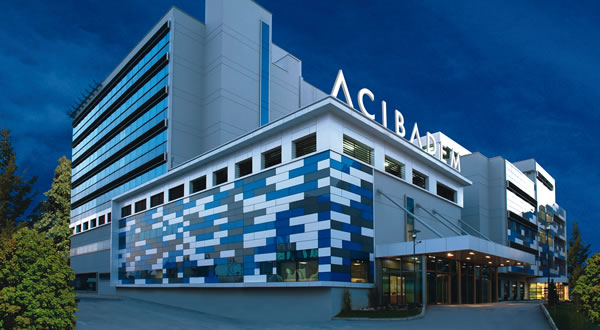
Acibadem Adana Hospital
- Part of the Acibadem Healthcare Group
- The radiation oncology department operates as a benchmark center for the Adana and Çukurova
- 3km from Adana Şakirpaşa Airport

Acibadem Ankara Hospital
- Part of the Acibadem Healthcare Group
- State-of-the-art infrastructure and technology
- 43km from Esenboğa International Airport
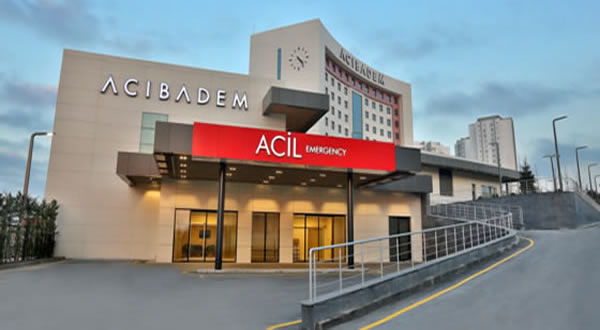
Acibadem Atakent University Hospital
- Part of the Acibadem Healthcare Group
- Has a strong focus on cardiology, nuclear medicine, and oncology
- 11km from Istanbul Ataturk Airport
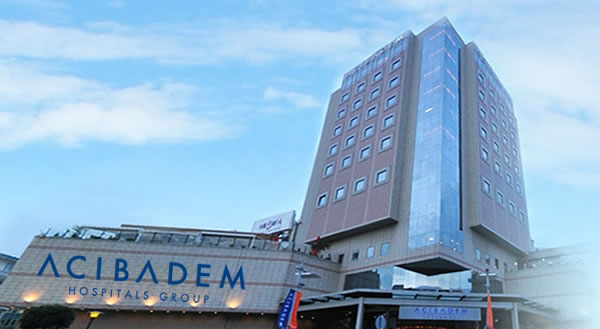
Acibadem Bakırköy Hospital
- Part of the Acibadem Healthcare Group
- Has highly experienced staff in general surgery, orthopaedics, urology, pediatric cardiology, and brain surgery
- 8km from Istanbul Ataturk Airport

Acibadem Bodrum Hospital
- Part of the Acibadem Healthcare Group
- Experienced cardiology team
- 44km from Milas-Bodrum Airport
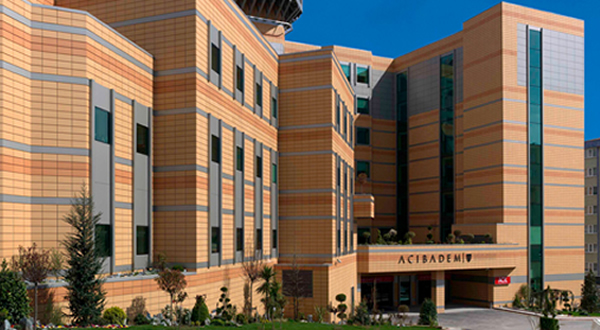
Acibadem Bursa Hospital
- Part of the Acibadem Healthcare Group
- One of the most advanced Oncology and Radiotherapy Center in Bursa, Turkey
- 129km from Sabiha Gökçen International Airport

Acibadem Eskişehir Hospital
- Part of the Acibadem Healthcare Group
- Strong focus on cardiology, oncology, orthopaedics and pediatrics
- 119km from Zafer Airport

Acibadem Fulya Hospital
- Part of the Acibadem Healthcare Group
- Specializes in sports medicine, orthopaedics, physical therapy and traumatology
- 22km from Istanbul Ataturk Airport

Acibadem International Hospital
- Part of the Acibadem Healthcare Group
- A world-class leading hospital renowned with foreign patients
- 7km from Istanbul Ataturk Airport
So what are you waiting for?
Come speak to one of our Medical Travel Coordinators now! Our service is free for you to use and your query will be responded to within 24 hours.